
The Emotional Side of Neurological Recovery
When most people picture rehabilitation, they think of exercises, equipment, and measurable physical progress. But anyone who’s navigated recovery from a stroke, brain injury, or neurological condition knows the emotional journey is just as significant.
At RoboFit, we believe that acknowledging and supporting the emotional side of recovery isn’t optional — it’s central to lasting progress.
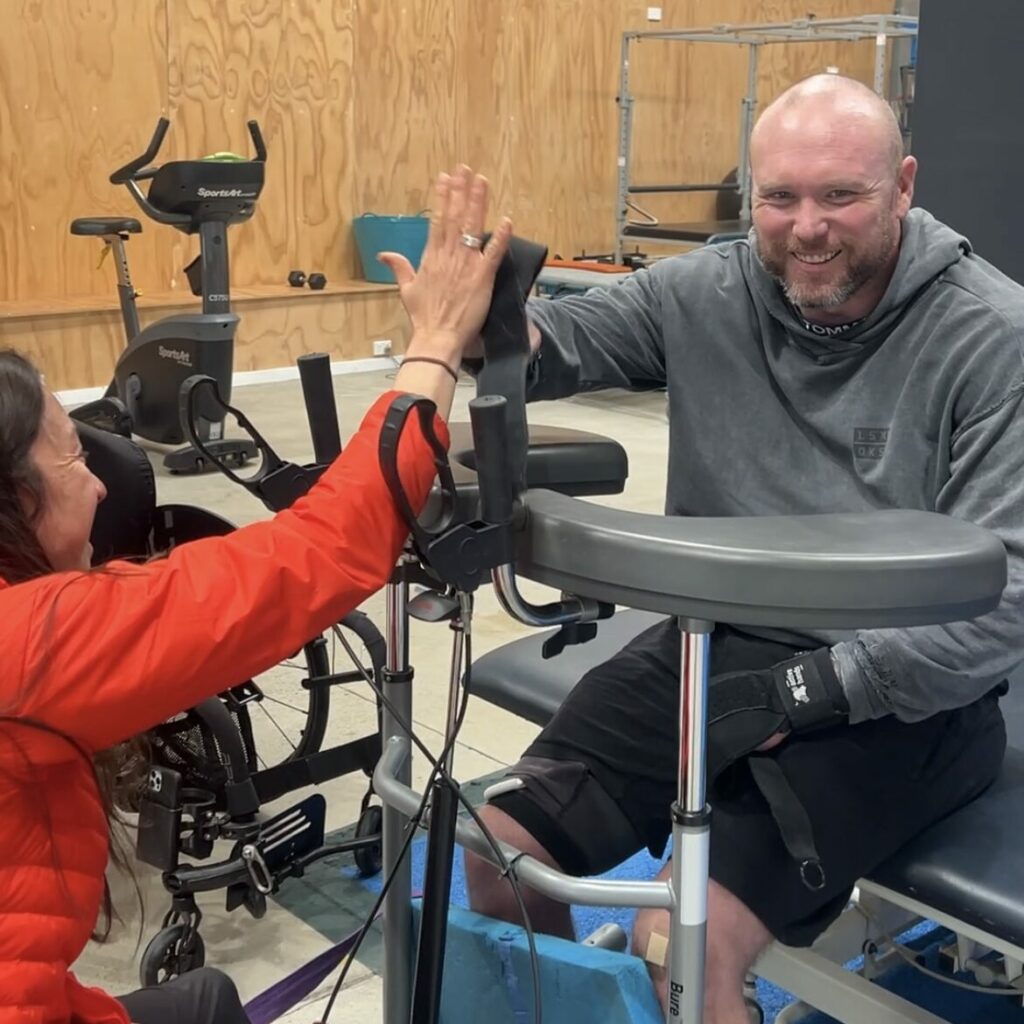
Recovery Can Be Frustrating – and That’s normal
Regaining movement, strength, or balance takes time. Progress may be slower than you hope, and setbacks are part of the process.
It’s completely normal to feel frustration or impatience, anxiety about falling or not improving, sadness or grief for lost abilities, and guilt about relying on others for help. These experiences are a natural and valid part of recovery. They’re also frequently overlooked in traditional rehabilitation settings — and that’s something we actively work against at RoboFit.
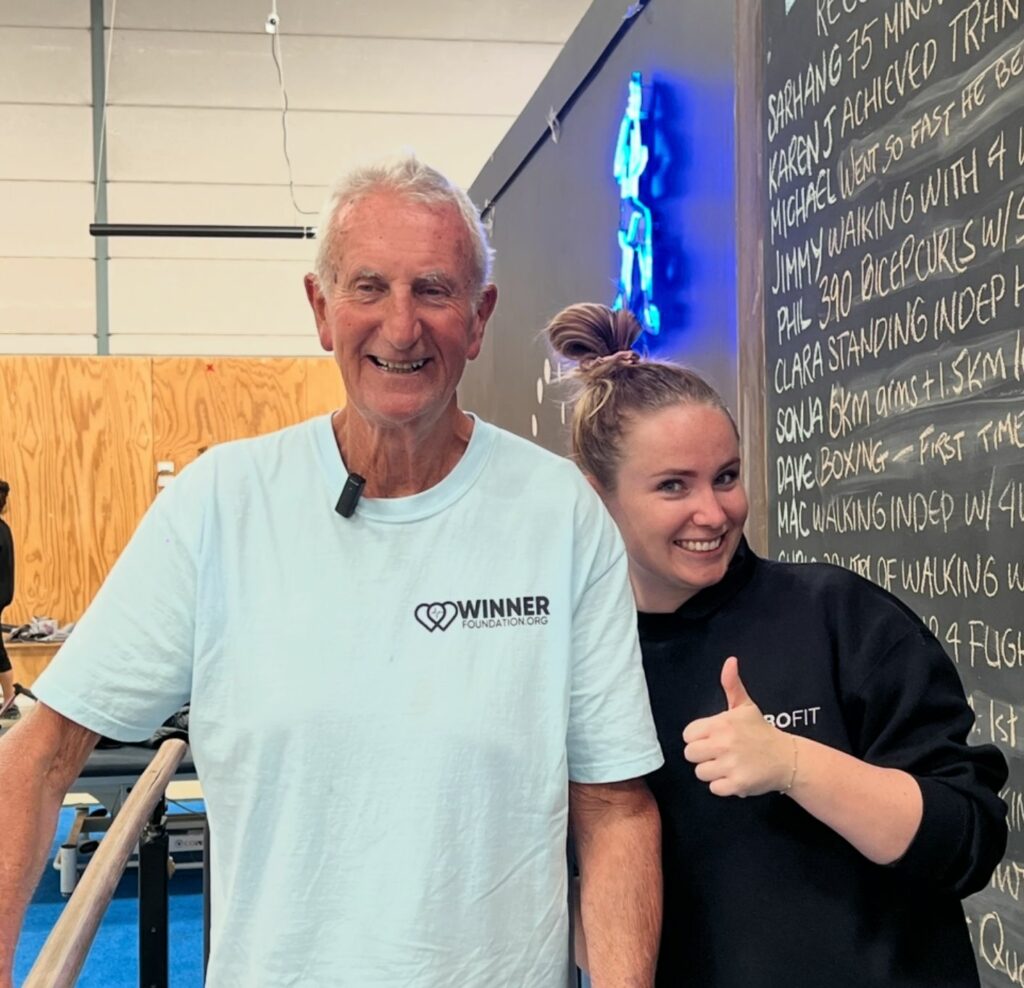
Motivation Goes Up and Down
Therapy demands repetition and consistency, which is exhausting — physically and mentally. Some days, progress feels real and motivation is high. Other days, getting started feels like the hardest thing in the world.
Both are part of the journey. Acknowledging these emotional shifts helps you stay engaged in therapy over the long term and avoid burnout. It’s not a sign that something’s wrong — it’s a sign you’re working hard.
Strategies to Support Your Emotional Recovery
While emotional recovery looks different for everyone, these approaches can help:
Set meaningful goals. Focus on what matters to you personally, not just clinical milestones. Goals anchored in real life — walking to the letterbox, holding a cup, returning to a hobby — tend to sustain motivation better.
Keep a progress journal. It’s easy to miss how far you’ve come when you’re focused on where you want to be. Writing it down helps you see the gains that might otherwise go unnoticed.
Include things you enjoy. Integrating hobbies or social activities into your rehabilitation keeps it connected to real life — and to your reasons for working hard.
Communicate openly. Share your frustrations, fears, and wins with your therapy team and support network. You don’t have to carry the emotional weight of recovery alone.
Be kind to yourself. Progress isn’t always linear, and a difficult week doesn’t undo the work you’ve done. Recovery takes courage — recognise that in yourself.
Recovery Is More Than Physical
The emotional side of recovery is often the quietest — but one of the most powerful. Feeling frustrated, anxious, or discouraged doesn’t mean you’re failing. It means you’re doing something genuinely hard.
By addressing emotions alongside physical rehabilitation, you build the resilience and confidence that sustain progress over the long term.
At RoboFit, we work with our clients through both sides of recovery — physical and emotional — because we know that real progress depends on both.
If you’d like to talk about where you are in your recovery and what a personalised programme might look like, book an assessment with the RoboFit team.
Newsletter signup
Join our exciting journey in discovering the future of therapy by subscribing below.