
Stroke Recovery: Can It Continue Years Later?

Why ongoing recovery matters
After a stroke, areas of the brain responsible for movement, sensation, or coordination may be damaged. Through a process called neuroplasticity, the brain can develop new pathways and strengthen existing connections to improve function.
Recovery is not simply about time passing. It depends on the amount and quality of practice performed. People who continue to challenge themselves with meaningful movement often achieve gains long after formal rehabilitation has ended.
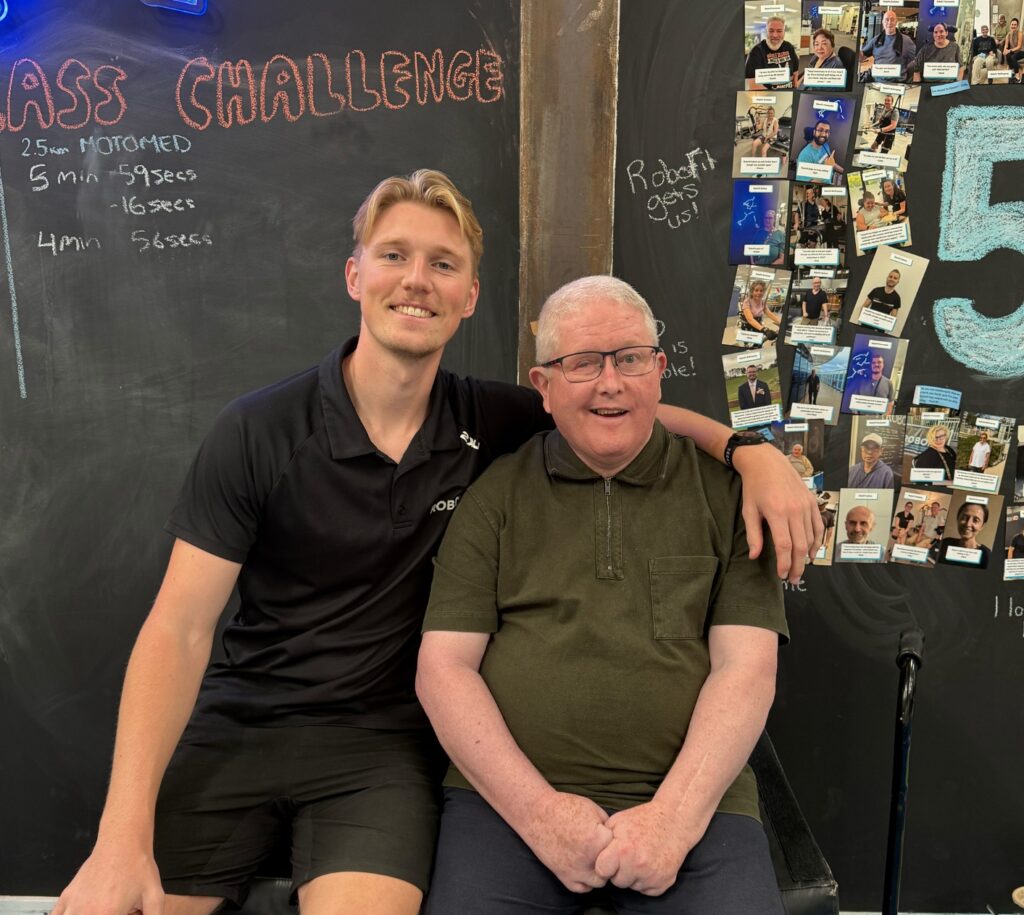
What Good Physiotherapy Looks Like:
Task-specific practice: focusing on activities that matter in everyday life, such as walking, standing from a chair, climbing stairs, or using the affected arm.
High repetition: providing enough practice to stimulate changes within the nervous system and reinforce new movement patterns.
Progressive challenge: gradually increasing difficulty as skills improve to encourage ongoing adaptation.
Individualised treatment: targeting the person’s goals, lifestyle, and current level of function.
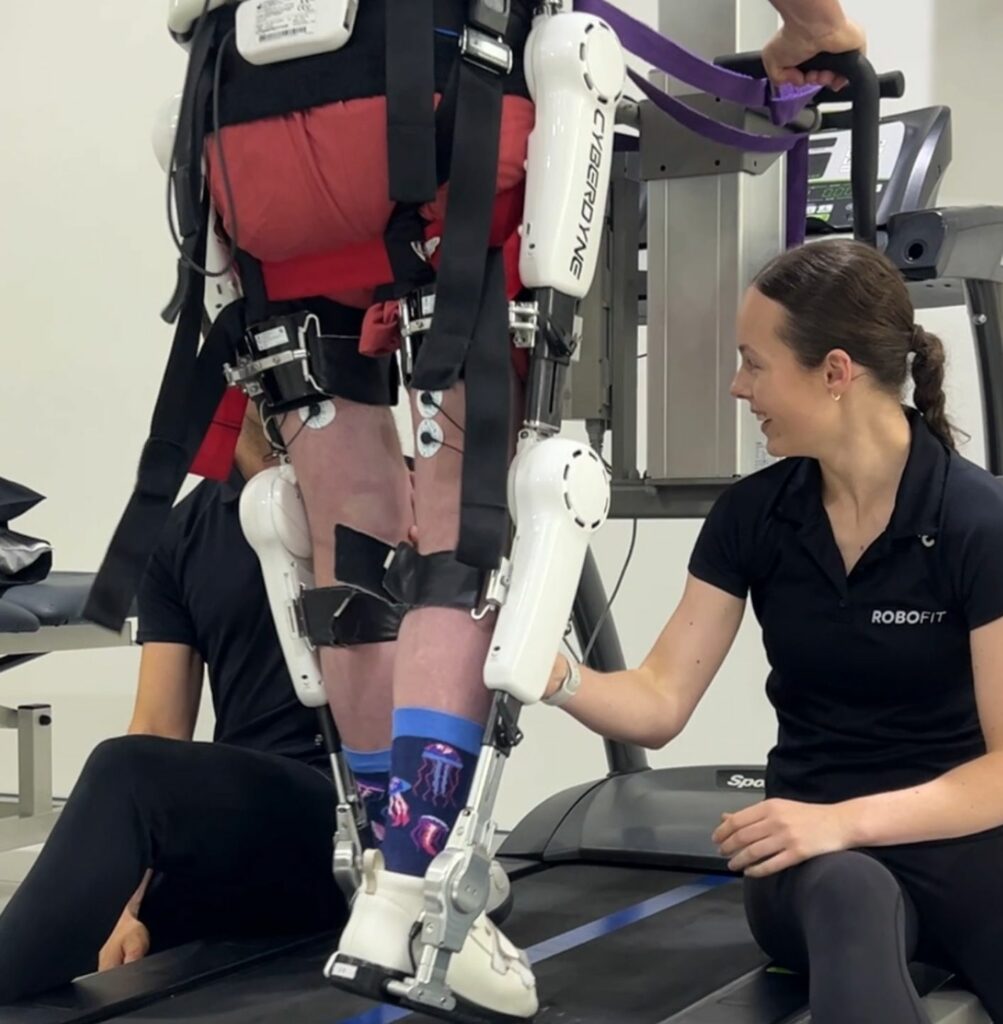
Technology-assisted rehabilitation: where appropriate, using tools such as body-weight support systems, robotic devices, or biofeedback to increase training intensity and quality.
Evidence and guidelines
Research consistently demonstrates that people can improve function months and even years after stroke when rehabilitation is intensive, repetitive, and goal-directed.
Modern stroke rehabilitation guidelines emphasise the importance of ongoing exercise, community-based rehabilitation, and opportunities for continued skill practice beyond the early recovery period.
While progress may be slower than during the first few months, meaningful improvements in mobility, fitness, confidence, and independence remain possible.
Practical tips for patients and carers
- Continue practising important tasks regularly, even if improvements seem small.
- Set specific goals such as walking further, improving balance, or using the affected hand more often.
- Incorporate exercise into daily routines to maintain consistency.
- Track progress over time to identify improvements that may otherwise go unnoticed.
- Seek professional guidance if progress has plateaued or new goals have emerged.
How RoboFit can help
At RoboFit, we work with people at all stages of stroke recovery. Our clinical team develop personalised programs designed to improve mobility, strength, balance, and confidence through evidence-based neurological rehabilitation.
Using intensive, goal-focused therapy and advanced rehabilitation technologies where appropriate, we help individuals maximise their recovery potential—whether their stroke occurred months or many years ago.
If you or someone you care for has experienced a stroke and would like to explore what further recovery may be possible, contact RoboFit to arrange an assessment and discuss a personalised therapy plan.
Newsletter signup
Join our exciting journey in discovering the future of therapy by subscribing below.